Skin/ Hair/ Nail Diseases
Types of Skin/ Hair/ Nail Diseases
- Alopecia Areata
- Eczema
- Psoriasis
- Vitiligo
- Urticaria
- Pediculosis
- Fungal Infections
- Bacterial Infections
- Viral Infections
- Contagious Diseases
- Harpes
Alopecia Areata
Alopecia areata is a common autoimmune disorder that causes hair loss in patches on the scalp, face, and other parts of the body. It occurs when the immune system mistakenly attacks the hair follicles, leading to hair loss.
Eczema
Eczema is a common skin condition that causes inflammation, itchiness, and redness. It typically appears as patches of dry, itchy skin, which can become cracked and swollen. Eczema can occur at any age and is often linked to genetic factors and environmental triggers.
Psoriasis
Psoriasis is a chronic autoimmune condition that affects the skin, causing red, scaly patches to develop. It occurs when the immune system mistakenly attacks healthy skin cells, causing an accelerated growth cycle.
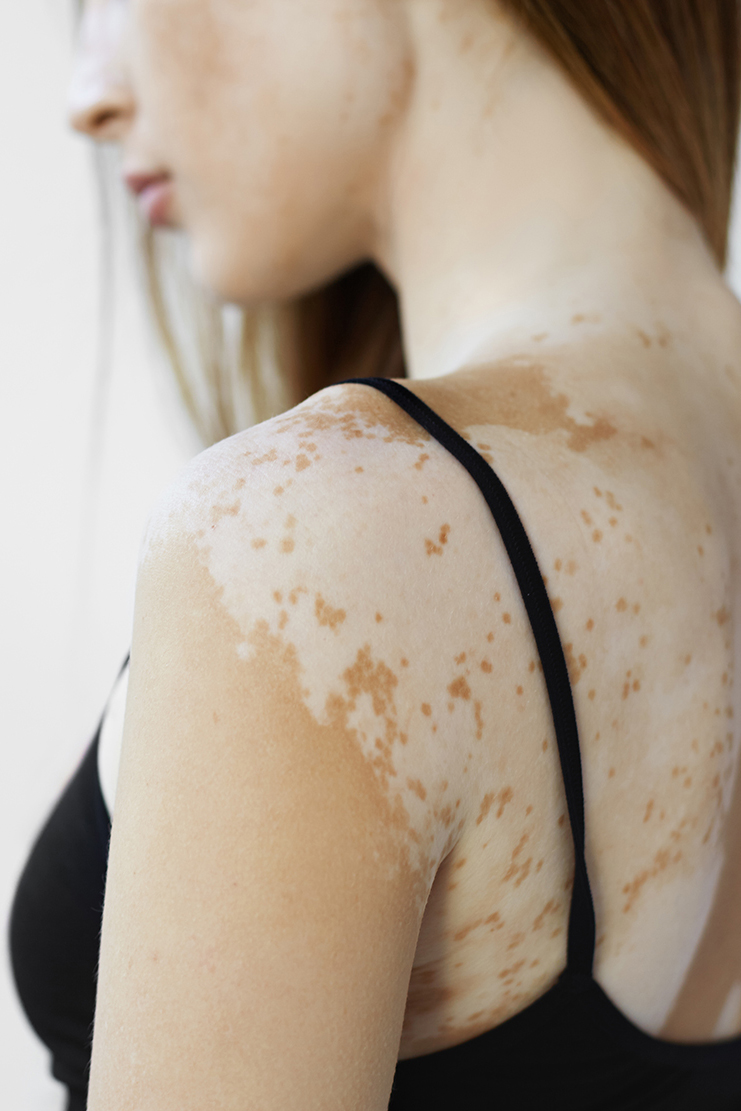
Vitiligo
Vitiligo is a skin condition characterized by the loss of pigmentation, resulting in white patches on the skin. It occurs when the cells that produce melanin, the pigment responsible for skin color, are destroyed or stop functioning.

Urticaria
Urticaria, commonly known as hives, is a skin condition characterized by raised, itchy, and often red welts on the skin. It occurs when the body releases histamine in response to allergens, stress, or other triggers.
Pediculosis
Pediculosis, commonly known as lice infestation, is a contagious condition caused by tiny insects called lice. These parasites thrive on the scalp, body, or pubic hair, feeding on human blood and laying eggs.
Fungal Infections
Fungal infections, also known as mycoses, are caused by various types of fungi that can invade different parts of the body. These infections occur when fungi overgrow in moist, warm environments, such as the skin, nails, or mucous membranes. Common types of fungal infections include athlete's foot, ringworm, and yeast infections.
Bacterial Infections
Bacterial infections are caused by the invasion of harmful bacteria into the body, resulting in various health complications. These microorganisms can enter the body through open wounds, contaminated food or water, or through inhalation. Bacterial infections can affect different parts of the body, including the respiratory system, urinary tract, skin, and gastrointestinal tract.
Viral Infections
Viral infections are caused by the invasion of harmful viruses into the body. These microscopic organisms can spread rapidly, leading to a range of symptoms and health complications.
Contagious Diseases
Contagious diseases, also known as communicable diseases, are illnesses that can be spread from person to person through various means. These diseases are caused by pathogenic microorganisms, such as bacteria, viruses, or fungi.
Harpes
Harpe's disease, also known as Harpes zoster, is a viral infection caused by the varicella-zoster virus (VZV). It primarily affects the nerves and skin, causing a painful rash with blisters. Harpe's disease is commonly associated with a previous infection of chickenpox.