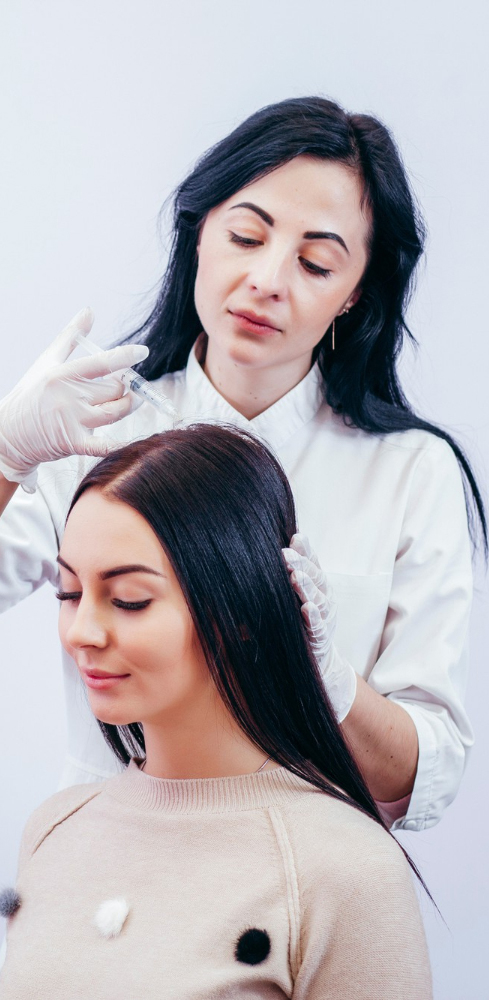
Hair PRP
Hair PRP is a cutting-edge non-surgical procedure that utilizes the healing properties found in your blood to stimulate hair growth and restore the vitality of your locks. Platelet-Rich Plasma, extracted from a small sample of your blood, is rich in growth factors and bioactive proteins that promote tissue regeneration, leading to stronger and denser hair.
Hair PRP Benefits
Natural Hair Regrowth
Hair PRP harnesses your body's own healing abilities to stimulate hair follicles, promoting natural hair regrowth without the need for invasive procedures or medications.
Increased Hair Thickness
By injecting the concentrated Platelet-Rich Plasma into your scalp, Hair PRP helps increase the thickness of your existing hair, resulting in fuller and healthier-looking locks.
Reduced Hair Loss
Hair PRP treatment addresses the root cause of hair loss by nourishing and revitalizing hair follicles, minimizing hair shedding and preventing further hair loss.
Safe and Non-allergenic
Hair PRP uses your own blood, there is no risk of allergic reactions or adverse side effects. It is a safe and well-tolerated procedure suitable for most individuals.
Quick and Convenient
Hair PRP sessions are typically quick, with minimal discomfort during the procedure. There is no downtime required, allowing you to resume your daily activities immediately.

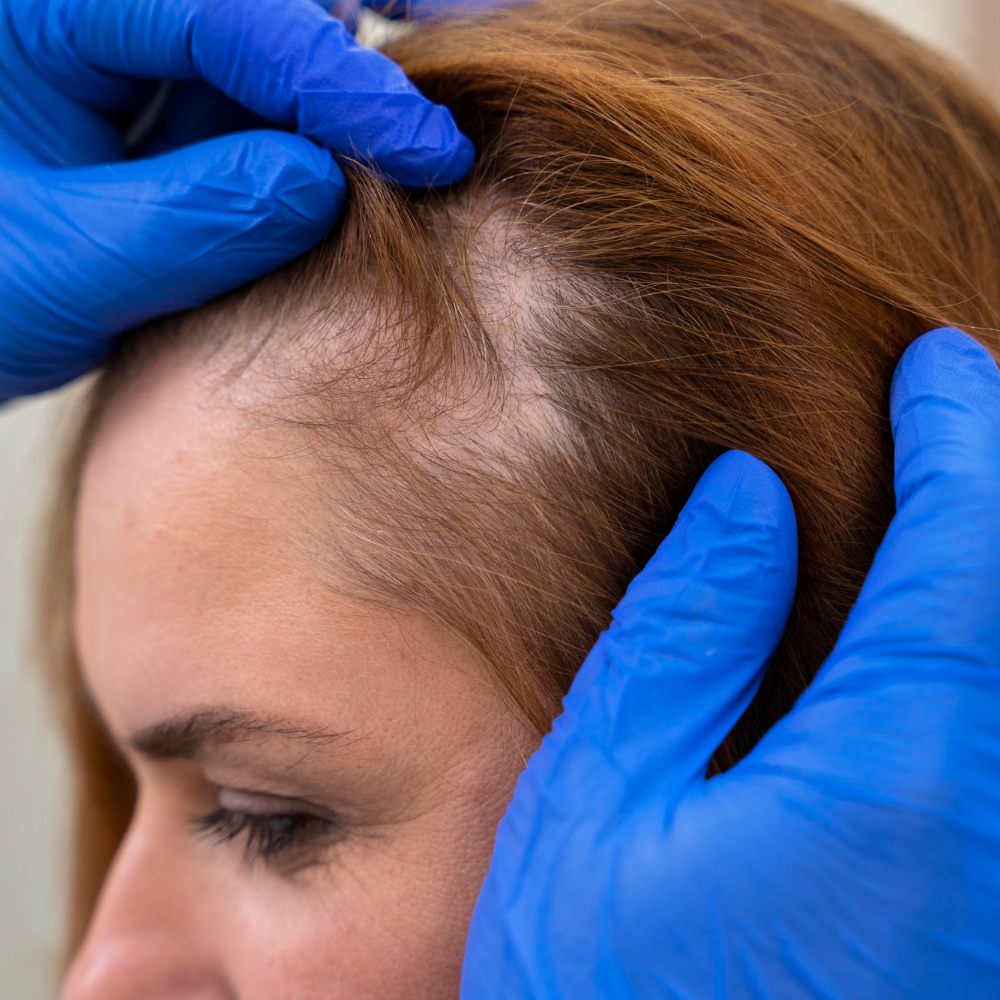
HAIR PRP PROCESS
Blood Collection
Once you are deemed eligible for the procedure, a small sample of your blood will be collected in a sterile manner.
Platelet Separation
The collected blood sample undergoes centrifugation to separate the Platelet-Rich Plasma from other components. This concentrated plasma is then prepared for injection.
Treatment Session
The Platelet-Rich Plasma is carefully injected into the targeted areas of your scalp using fine needles.
FAQ’S
Frequently Asked Questions about hair PRP:
Q1: What is PRP for hair?
A1: PRP, or Platelet-Rich Plasma, is a procedure that involves drawing a small amount of blood from the patient, processing it to isolate the platelet-rich plasma, and injecting it into the scalp. This concentrated plasma contains growth factors that can stimulate hair growth and improve the overall health of the hair follicles.
Q2: How is the PRP procedure performed for hair?
A2: The PRP procedure for hair typically involves the following steps:
I. A small amount of blood is drawn from the patient's arm.
II. The blood is processed in a centrifuge machine to separate the platelet-rich plasma from other components.
III. The PRP is collected and prepared for injection.
IV. The scalp is numbed with a local anesthetic.
V. The PRP is injected into the areas of the scalp that require treatment, typically targeting areas with thinning hair or hair loss.
Q3: What are the benefits of PRP for hair?
A3: PRP for hair has several benefits, including:
I. Stimulating hair growth and thickening existing hair.
II. Increasing the supply of nutrients and oxygen to the hair follicles.
III. Improving the overall health and quality of the hair.
IV. Reducing hair shedding and promoting longer hair growth cycles.
V. Providing a natural and minimally invasive treatment option for hair loss.
Q4: How many PRP sessions are needed for optimal results?
A4: The number of PRP sessions required for optimal results can vary depending on individual factors, such as the extent of hair loss and the response to treatment. In general, a series of three to four PRP sessions, spaced about four to six weeks apart.
Q5: Are there any side effects or downtime associated with PRP for hair?
A5: PRP for hair is considered a safe procedure with minimal side effects. Since the treatment uses the patient's own blood, the risk of allergic reactions or transmission of diseases is extremely low. Some patients may experience mild redness, swelling, or discomfort at the injection sites, but these effects are typically temporary and resolve on their own. There is no downtime associated with PRP for hair, and most individuals can resume their regular activities immediately after the procedure.