Hair Transplant
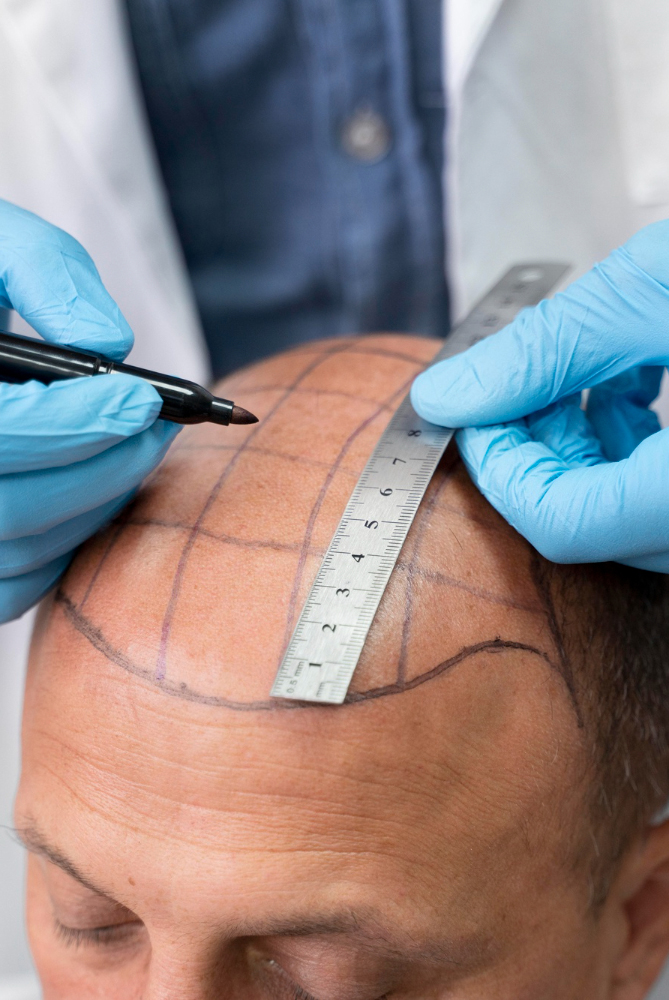
Hair transplant is a surgical procedure designed to address hair loss and baldness in both men and women. It involves the extraction of hair follicles from a donor area, typically the back or sides of the scalp, and their transplantation into the recipient area, where hair is thinning or absent.
What is Hair Transplant?
Hair transplant is a surgical procedure performed to treat hair loss or thinning hair. It involves moving hair follicles from one part of the body (known as the donor area) to another part (the recipient area) where hair growth is desired. The most common type of hair transplant is called follicular unit transplantation (FUT) or strip harvesting.
Another method of hair transplant is follicular unit extraction (FUE), in which individual hair follicles are directly harvested from the donor area without the need for a strip of scalp. This technique leaves small, less noticeable scars and has a quicker recovery time.

Hair Growth Cycle
1- Initial Shedding
After a hair transplant, it is common to experience initial shedding. This occurs within the first few weeks as the transplanted hair follicles enter a resting phase and the existing hair falls out.
2- Dormancy Period
Following shedding, the transplanted hair follicles enter a dormant phase. This phase typically lasts for a few months, during which minimal to no visible hair growth occurs.
3- Growth Phase
After the dormancy period, the transplanted hair follicles enter an active growth phase. This is when new hair starts to emerge from the transplanted follicles. Initially, the hair may be thin and fine, but it gradually thickens over time.
4- Progressive Improvement
As the transplanted hair continues to grow, you will notice progressive improvement in the density and coverage of the treated areas. This improvement occurs gradually over several months, and the final results can be seen around 9 to 12 months post-transplant.
5- Maintenance
It is important to note that the transplanted hair, like any other hair, is subject to natural hair growth cycles. This means that regular hair care and maintenance will be necessary to ensure long-term results. Proper hair care, including regular washing, conditioning, and occasional trims, it helps to maintain the health and appearance of the transplanted hair.
FAQ’S
Frequently Asked Questions about hair transplant:
Q1: What is a hair transplant?
A1: A hair transplant is a surgical procedure that involves the extraction of hair follicles from one part of the body, typically the back or sides of the scalp, and their transplantation to areas where hair loss or thinning has occurred.
Q2: Who is a suitable candidate for a hair transplant?
A2: Suitable candidates for a hair transplant are individuals who have experienced hair loss or thinning due to factors such as male or female pattern baldness, injury, burns, or certain medical conditions.
Q3: How is a hair transplant performed?
A3: There are two main methods of performing a hair transplant: follicular unit transplantation (FUT) and follicular unit extraction (FUE). FUT involves removing a strip of scalp from the donor area and dissecting it into individual grafts, while FUE involves extracting individual hair follicles directly from the donor area. The extracted grafts or follicles are then carefully implanted into the recipient areas.
Q4: What is the recovery process like after a hair transplant?
A4: The recovery process after a hair transplant varies from person to person, but generally, patients can expect some swelling, redness, and mild discomfort in the recipient and donor areas. It is common for scabs to form in the recipient area, which will typically fall off within a week or two. Patients are advised to avoid strenuous activities, direct sunlight, and certain medications during the initial healing period. Full recovery and hair growth may take several months.
Q5: What are the potential risks and complications associated with a hair transplant?
A5: While hair transplants are generally safe, there are potential risks and complications that can occur. These may include bleeding, infection, scarring, numbness or tingling sensation, unnatural-looking results, and the possibility of needing additional procedures for optimal results.